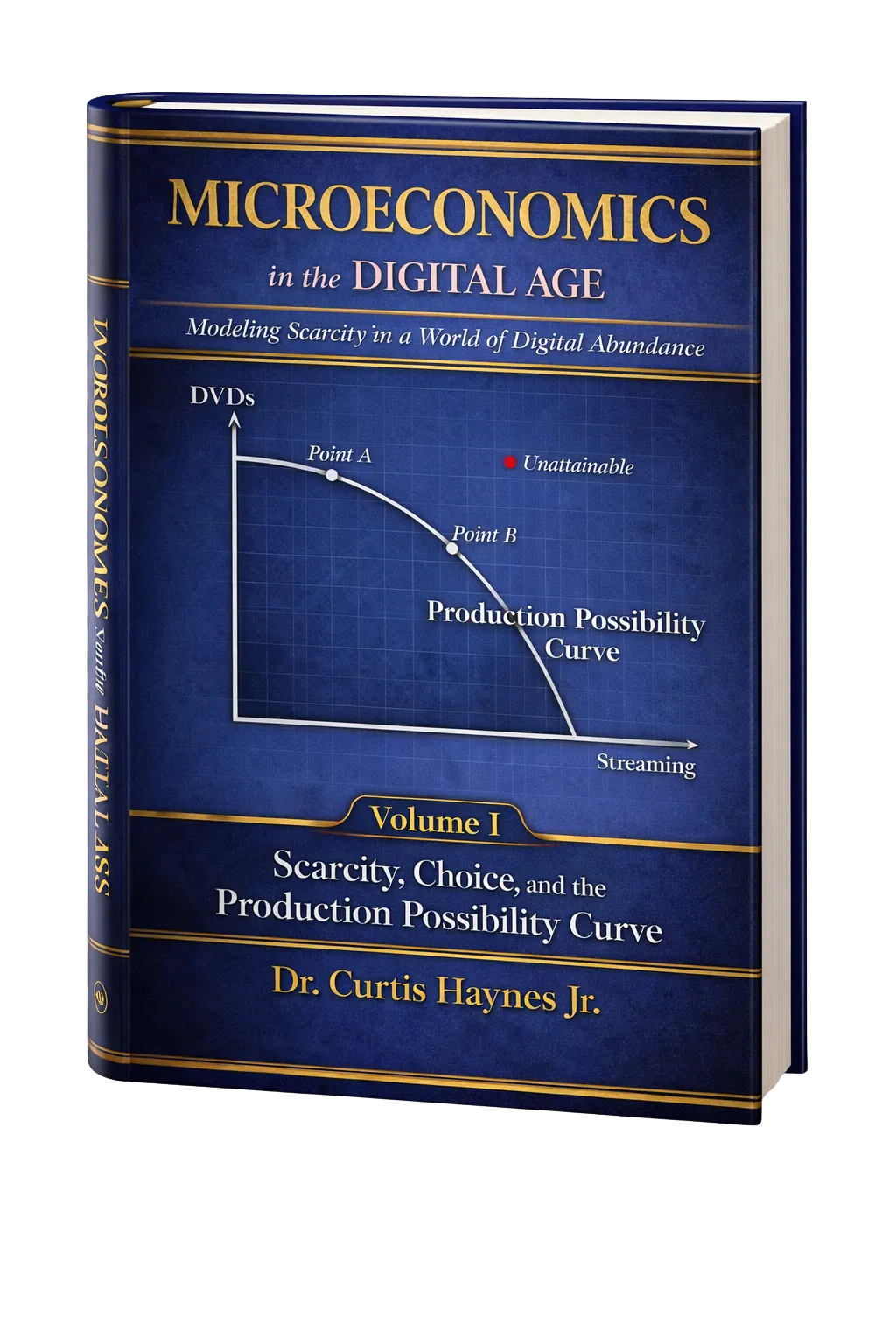
Microeconomics
in the
Digital Age
Modeling Scarcity in a world of Digital Abundance
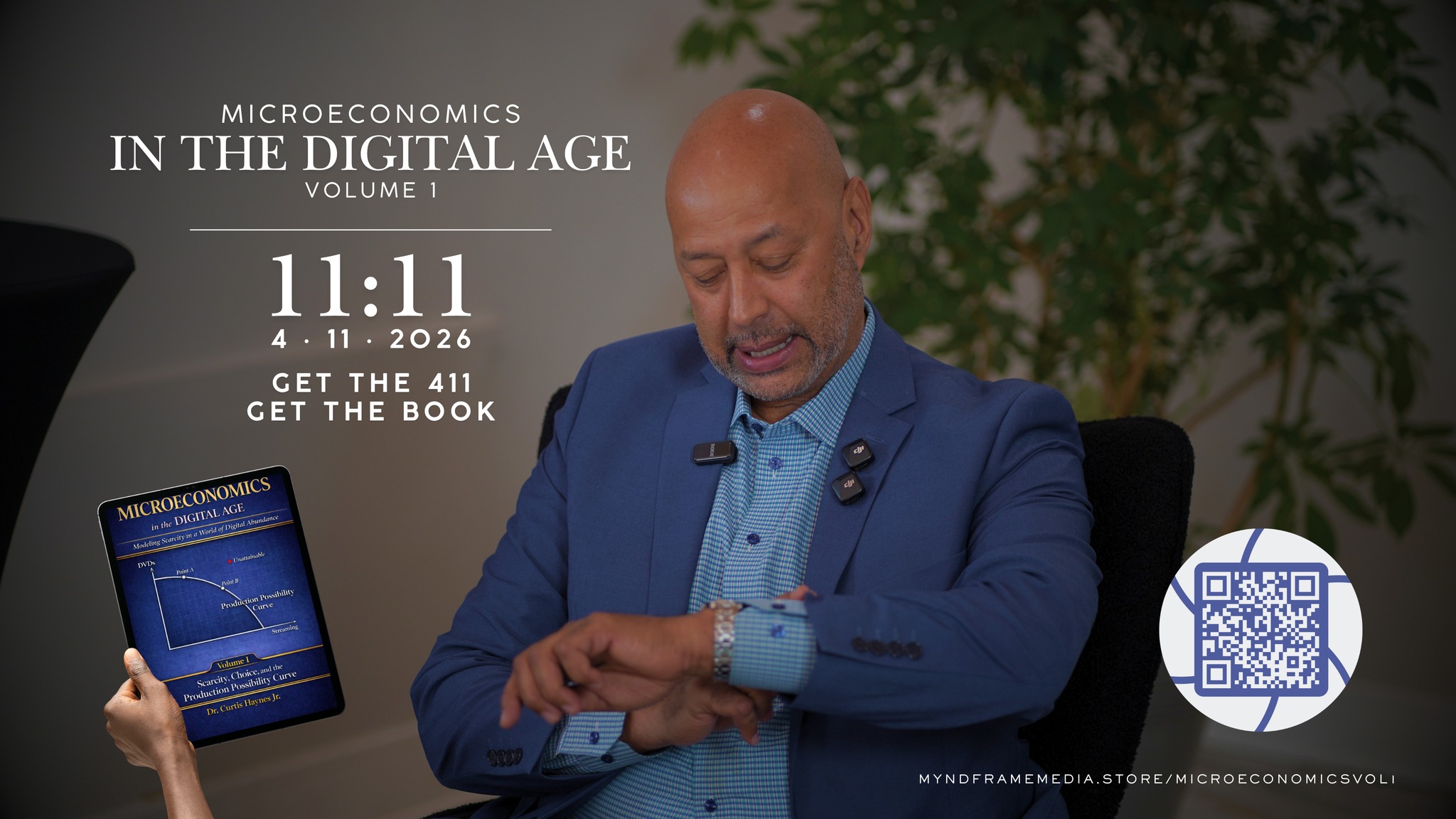
Volume II out now!
$11.11
Scarcity didn't disappear in the Digital Age - it moved.
What happens when the physical world meets digital space?
Scarcity takes on a new form in a world of abundance.
This book explains the Paradigm Shift.
Microeconomics in the Digital Age - Volume I
Reintroduces the core principles of microeconomics - scarcity, choice, and opportunity cost - within an economy transformed by digital technology, artificial intelligence, and new forms of production.
This is a principles-based guide to microeconomics for the world we actually live in - written for students, educators, and anyone who wants to think more clearly about money, technology and choice.
Microeconomics in the Digital Age - Volume II
examines how markets and monetary systems coordinate decentralized economic decisions, tracing how scarcity manifests differently across the analog economy (physical constraints), digital economy (near-zero marginal cost and abundance), and Bitcoin economy (fixed, protocol-enforced supply).
It compares fiat currency and Bitcoin as contrasting monetary institutions—one built on institutional flexibility, the other on rule-based predictability—showing how each shapes time preference, saving behavior, and economic coordination in the digital age.
"Scarcity appeared to disappear in the digital economy - but Bitcoin revealed it's existence"
- Dr C Haynes Jr.
Economics that meets the economy we're living in
Why scarcity didn't vanish in the digital age - it changed form
How to use the Production Possibility Curve to analyze real decisions in the analog and digital world
How AI expands what's possible - and what that means for workers, firms and communities
How Bitcoin introduced scarcity into the digital space for the first time in history
Why time is the most fundamental scarce resource any of us have
About The Author
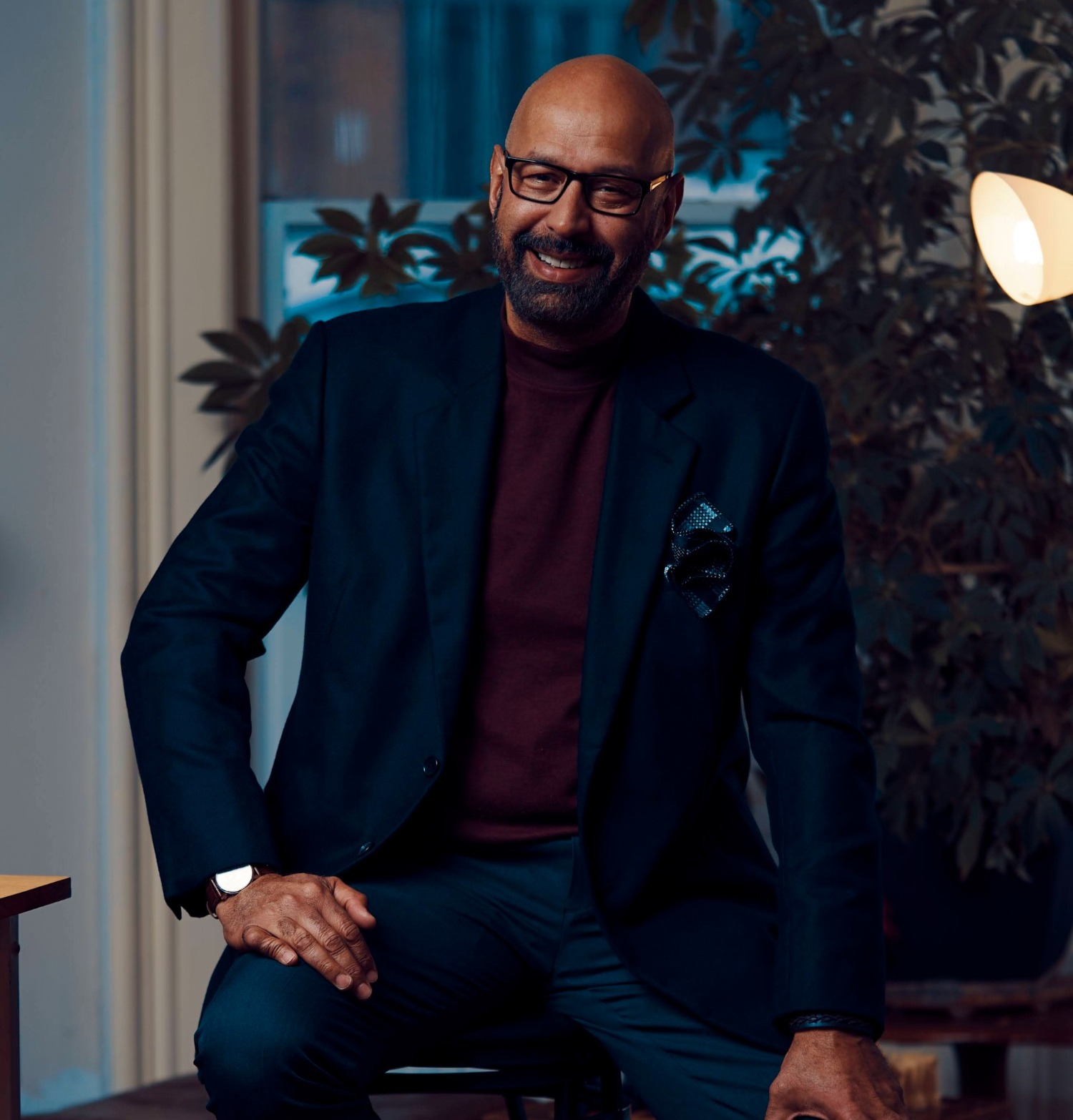
Dr. Curtis Haynes Jr
Political Economist and professor at Buffalo State University with over 30 years teaching economics. His work bridges academic theory with real-world practice in enterprise development, personal finance, and community building - and this series is the result of a lifetime spent asking better questions about how economics actually work.
© 2026 Conscious Investment Group. All Rights Reserved
